The AI Revolution of 2026: GPT-5.4, Muse Spark, and the Future of Data
The world of Artificial Intelligence is no longer just about “chatting.” In April 2026, we have officially entered the era of Autonomous Agents—AI that doesn’t just answer questions but performs complex actions, secures infrastructure, and predicts health outcomes years in advance.
As these AI models grow in complexity, the amount of data they generate is staggering. Whether you are a developer training local models or a business integrating these tools, having a reliable home for your data is more critical than ever.

Here is everything you need to know about this week’s massive AI breakthroughs.
1. OpenAI’s GPT-5.4: The Move Toward a “Superapp”
OpenAI has once again shifted the goalposts. Following a massive $122 billion funding round, the company has integrated GPT-5.4 into its ecosystem.
The standout feature? “Thinking” Mode. Unlike previous iterations, GPT-5.4 allows users to watch the AI’s reasoning process in real-time and intervene to course-correct its plan. This makes it less of a chatbot and more of a digital partner. Rumors of an OpenAI “Superapp” have also been confirmed, aiming to turn ChatGPT into a primary operating system for your digital life.
2. Meta’s “Muse Spark” and the Code Restructure
Meta has officially retired the Llama series in favor of Muse Spark. This model is built for deep integration across WhatsApp, Instagram, and Quest devices.
In a bold move, Mark Zuckerberg announced a company-wide “code restructure.” The goal is to make Meta’s entire internal codebase readable and modifiable by autonomous AI agents. This marks a significant shift toward a future where software maintains and updates itself.
3. Anthropic’s Cybersecurity Gatekeeper: Claude Mythos
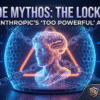
Safety-focused Anthropic has made headlines with Claude Mythos. This model is reportedly so proficient at finding “zero-day” vulnerabilities—including bugs in 27-year-old code—that Anthropic has deemed it too dangerous for public release.
Instead, the model is being deployed under Project Glasswing, a specialized initiative to protect global power grids and financial systems from cyber-attacks.
4. AI in Healthcare: Predicting Heart Failure 5 Years Early
Perhaps the most impactful news comes from the medical sector. Researchers at Oxford University have debuted an AI tool capable of predicting heart failure up to five years in advance.
By analyzing routine CT scans, the AI identifies “inflamed fat” around the heart—a biomarker that remains invisible to even the most experienced human radiologists. This breakthrough could shift cardiac care from reactive treatment to proactive prevention.
Why Your AI Strategy Needs BigFileStore.in
As AI models like Muse Spark and GPT-5.4 become more integrated into our workflows, the files we generate—datasets, high-resolution AI renders, and model weights—are getting larger.
BigFileStore.in provides the infrastructure you need to keep pace with the AI revolution:
- High-Capacity Storage: Perfect for storing massive AI-generated media and datasets.
- Secure Sharing: Share your AI projects with collaborators using end-to-end encryption.
- Lightning-Fast Speeds: Don’t let slow downloads stall your innovation.
The AI landscape is moving at breakneck speed. Whether you are a creator, a developer, or a tech enthusiast, ensure your data is stored somewhere that can handle the future.
Ready to secure your digital assets? Visit BigFileStore.in today and experience the next level of cloud storage.

About author